Are you a Christian organization?
Yes, NZCBR is an openly Christian organization, with prayer and Christian principles governing our work. Being Christian is not a prerequisite for volunteering with NZCBR though – we welcome anyone who is fully pro-life and abides by our protocols to participate in our mission.
NZCBR recognizes that we now live in a post-Christian society, and many of the people we talk to during outreach have little to no knowledge of Christianity or Scripture. For this reason, our apologetics use the language of human rights and age-based discrimination, making the pro-life message more accessible and relatable to our secular culture. The primary goal of NZCBR’s outreach projects is to change minds on abortion, although some conversations with some people may lead to a sharing of the gospel.
What makes you different from other pro-life groups?
We recognize there are many other excellent pro-life groups in NZ doing great work. NZCBR is unique in our consistent use of abortion victim photography and our regular public outreach that deliberately seeks out conversations with everyday Kiwis, utilising projects like door-knocking. Additionally the apologetics we use in our outreach were initially developed by the Canadian Centre for Bio-Ethical Reform, and have been street tested in thousands of conversations. Lastly, we are an overtly Christian organization dedicated to praying over everything we do.
How are you funded?
We are 100% funded through the generous donations of everyday people. People give in many different ways. For some its financial support, others give their time through volunteering, others donate their skills in a particular area, and still others open their homes.
Why do you focus on public education rather than just helping pregnant women?
There are already multiple amazing organizations dedicated to helping pregnant women and their families, providing everything from information, free pregnancy tests, baby gear, maternity clothing, places to stay, and emotional support. Check out our Help section for just a few examples. We delight in referring people to these groups. We focus on public education, (a) because that is the current gap in NZ, and (b) because while people view abortion as acceptable, they will continue to choose it as the perceived easier option. For people to choose the difficult route of keeping an unplanned pregnancy, they need to first understand that abortion is unthinkable.
How can I learn to articulate my pro-life perspective?
Contact us for our free “Pro-life Dialogue 101” training! We love to train people in how to have conversations about abortion! Even if you don’t intend to join us for outreach and just wish to have the skills to talk with your family and friends. We can meet up with you one-to-one, or with a small group, or even over zoom. Additionally, keep exploring this website, especially the “Learn” section which will give you some more recommendations for great resources.
How do you prepare your volunteers for public outreach?
We believe the best way to learn is through DOING, so we take volunteers through our “Pro-life Dialogue 101” Training, and then jump into the practical! But don’t worry, we always pair our new volunteers with an experienced activist! The new volunteer can watch and learn, then start doing bits of the conversation as they feel confident, and our team provides continued mentorship and learning.
Do you offer public presentations?
Absolutely! Check out our “Take Action” page for information on how to book a speaker. We would love to speak at your event, and can tailor it to your needs. Flick us an email at endthekilling.nz@gmail.com!
Do you have roles for people who aren’t comfortable doing outreach?
We sure do! Alongside street activism, door knocking, roadside displays, and mailbox drops, there are many other ways to be involved! For example, we are always looking for people to help us with graphic design, creating written and visual content for our online presence, catering for training events, taking photos, safety and security during activism shifts, fundraising, connecting with churches, and much more.
Why do you use graphic images?
Graphic images are the most effective and efficient tool we know of for changing hearts and minds on abortion. This has been proven statistically, anecdotally, and historically. For a deeper explanation of this, we recommend you check out the “Strategy” section of our website along with some of our blogs.
Does using Abortion Victim Photography (AVP) even work?
Yes! Statistically, an official study commissioned by the Canadian Centre for Bio-Ethical Reform found that 67% of people had increased negative feelings about abortion after viewing abortion victim photography! Read the full study on their website: https://www.endthekilling.ca/about/strategy/
Pro-life activists who use AVP can also report bountiful anecdotal evidence of the people they talk to changing their minds about abortion because of AVP. Additionally we can also look to the testimonies of those in the prolife movement themselves. For many pro life leaders and activists today the turning point where they become pro-life, or were moved to action, was when they saw an image or video depicting the reality of abortion. For example Bernand Nathanson, Abby Johnson, Jonathan van Maren, and Lila Rose, to name just a few.
What about if children see these images?
A child’s distress can be soothed, but the body of an aborted baby can never be put back together. While we never directly target children as an audience, the injustice of abortion justifies the risk of them accidently seeing the images.
What is worse, a child seeing the images, or a child becoming the images? What if those children become the victims of abortion because we failed to convince their parents not to kill them?
Children’s reactions to the images are largely determined by the response of the parents. If their parents are angry at the activists holding the image, the child will likely be upset. If the parents calmly explain the tragedy of abortion, or simply reassures the child that everything is okay, the child is much less affected.
What if post-abortive women are hurt by these images?
How can a post-abortive woman ever find healing until she recognizes what was wrong? Women will never get the help they need if we only ever affirm their choices. If seeing AVP causes a woman to recognize her mistake, it may actually begin her path to healing, as well as saving her from getting more abortions or encouraging other people to get them.
Post-abortive women are very often pre-abortive women too! (Remember that a third of abortions are “repeat abortions,” done by someone who has already undergone one or more) Therefore, it is especially important for us to reach these women with the truth about abortion and the pro-life message.
Aren’t those graphic images upsetting?
Yes, there are. And we should be upset by the reality of what is happening. The victims of abortion have a right to sear into our minds and remind us of our responsibility.
Why don’t you just use “nice” images of cute babies?
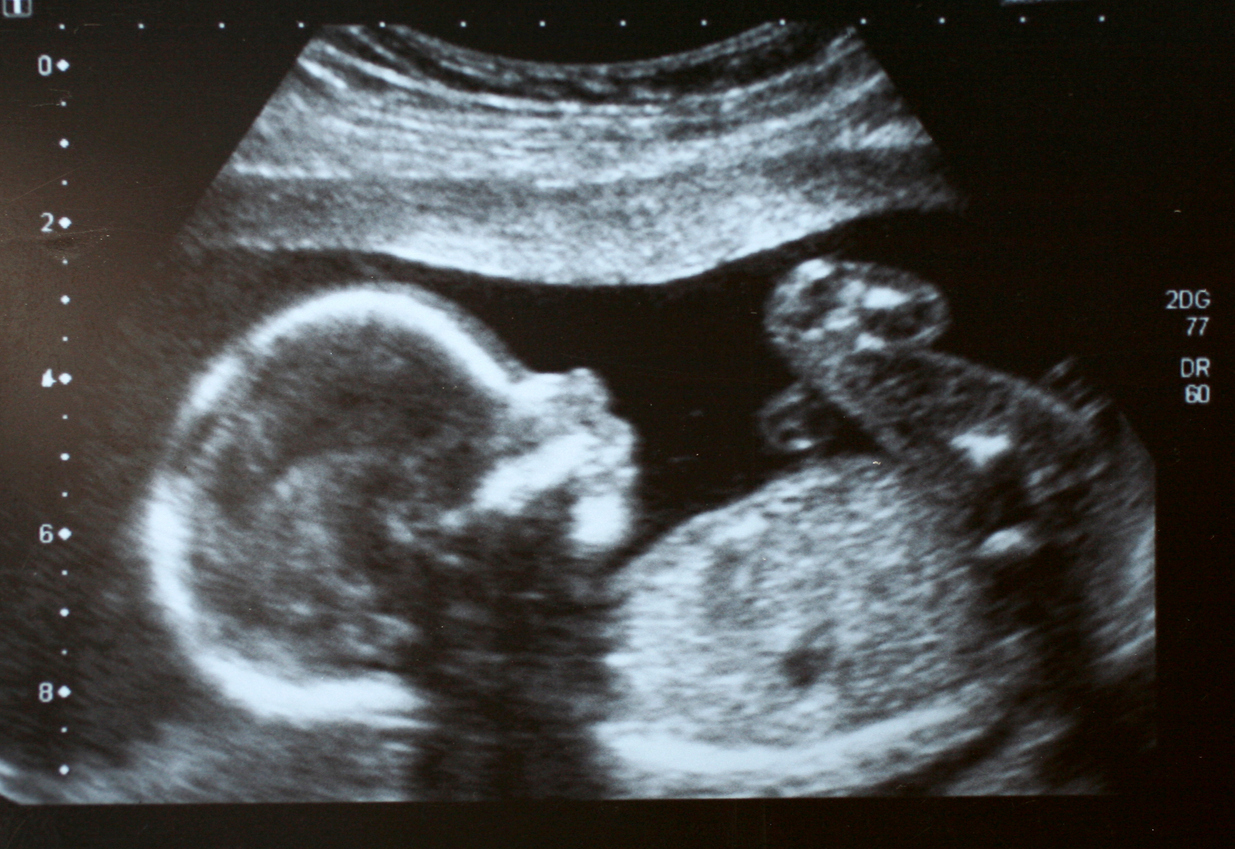
While positive images have their place, for many people they simply have no impact. People know what a baby looks like, but their greatest ignorance lies in what abortion does to a baby, because they have swallowed the culture’s narrative and language that frames abortion as merely “healthcare” and a “choice.” AVP exposes the true violence and injustice of abortion, it shows both the who and the what.
In successful historic reform movements, graphic images were used, because simply using “nice” images does not accomplish change. For example, pictures of happy slaves before their enslavement does nothing to communicate the horror or slavery or cause change, yet a graphic image does. Disturbing images change minds in a way that “nice” images cannot